23rd Annual Scientific Sessions:
Aging as a Gateway to Cardiovascular-Metabolic Research
Osaka, Japan 26-29 October 2026
23rd Annual Scientific Sessions:
Aging as a Gateway to Cardiovascular-Metabolic Research
Osaka, Japan 26-29 October 2026
23rd Annual Scientific Sessions:
Aging as a Gateway to Cardiovascular-Metabolic Research
Osaka, Japan 26-29 October 2026

University of Alabama at Birmingham
Birmingham, AL, U.S.A.
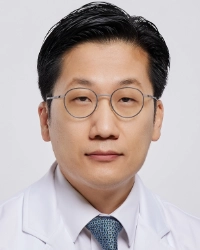
Dr. Yong Joo Ahn is an Associate Professor in the Department of Biomedical Engineering and the Medical Science and Engineering Program, School of Convergence Science and Technology, at POSTECH. He is the Principal Investigator of the Medical Science and Translational Research (MST) Laboratory. Dr. Ahn received his M.D. from Kyung Hee University and completed his clinical training in pediatrics. His research has established an interdisciplinary program that integrates vascular biology, pediatrics, biomedical engineering, and translational medicine to address unmet clinical needs in cardiometabolic and maternal–fetal diseases.
His laboratory investigates the molecular and biomechanical mechanisms underlying vascular dysfunction, inflammation, thrombosis, and tissue remodeling, with particular emphasis on the maternal–fetal interface, placental biology, pediatric cardiovascular disorders, and cerebrovascular diseases. By integrating advanced imaging technologies, multi-omics approaches, experimental disease models, and bioengineering tools, his team aims to identify novel biomarkers and therapeutic targets while developing innovative diagnostic and therapeutic strategies.
Dr. Ahn actively fosters collaborations among clinicians, engineers, and basic scientists to accelerate the translation of laboratory discoveries into clinical applications. Through this multidisciplinary approach, the MST Laboratory strives to advance precision medicine and improve outcomes for patients with cardiovascular, metabolic, pregnancy-related, and cerebrovascular diseases while training the next generation of physician-scientists and biomedical researchers.
Dr. Yong Joo Ahn is an Associate Professor in the Department of Biomedical Engineering and the Medical Science and Engineering Program, School of Convergence Science and Technology, at POSTECH. He is the Principal Investigator of the Medical Science and Translational Research (MST) Laboratory. Dr. Ahn received his M.D. from Kyung Hee University and completed his clinical training in pediatrics. His research has established an interdisciplinary program that integrates vascular biology, pediatrics, biomedical engineering, and translational medicine to address unmet clinical needs in cardiometabolic and maternal–fetal diseases.
His laboratory investigates the molecular and biomechanical mechanisms underlying vascular dysfunction, inflammation, thrombosis, and tissue remodeling, with particular emphasis on the maternal–fetal interface, placental biology, pediatric cardiovascular disorders, and cerebrovascular diseases. By integrating advanced imaging technologies, multi-omics approaches, experimental disease models, and bioengineering tools, his team aims to identify novel biomarkers and therapeutic targets while developing innovative diagnostic and therapeutic strategies.
Dr. Ahn actively fosters collaborations among clinicians, engineers, and basic scientists to accelerate the translation of laboratory discoveries into clinical applications. Through this multidisciplinary approach, the MST Laboratory strives to advance precision medicine and improve outcomes for patients with cardiovascular, metabolic, pregnancy-related, and cerebrovascular diseases while training the next generation of physician-scientists and biomedical researchers.
1992 Assistant Professor, Department of Microbiology, Kumamoto University School of Medicine;1993 Visiting Professor, Department of Microbiology and Immunology, Center for Neurovirology, Thomas Jefferson University; 1994 Associate Professor, Department of Microbiology, Kumamoto University School of Medicine; 2001 Visiting Professor, Center for Free Radical Research, University of Alabama at Birmingham; 2003 Program Officer, MEXT, Japan; 2005-2013 Professor, Department of Microbiology, Graduate School of Medical Sciences, Kumamoto University; 2011–2013 Vice Dean, Kumamoto University Medical School; 2019 Vice Dean, Tohoku University Graduate School of Medicine; 2013-2024 Professor, Department of Environmental Medicine and Molecular Toxicology, Tohoku University Graduate School of Medicine; 2024–present Director, Tohoku University Supersulfide Life Science Research Center; 2025–present Distinguished Professor, Department of Redox Molecular Medicine, Tohoku University Graduate School of Medicine.
Dunja Aksentijevic is Professor of Cardiovascular Physiology and Metabolism at the William Harvey Research Institute, Queen Mary University of London. She graduated from the University of Hull with a First Class BSc in Biomedical Science and undertook her PhD on myocardial insulin resistance in chronic kidney disease, supported by the Frederick Atkinson Prize Scholarship and NHS Renal Research Fund Fellowship. After completing her doctorate in 2008, she joined Professor Stefan Neubauer’s group at the University of Oxford to study cardiac energetics in heart failure. She subsequently moved to King’s College London as Senior Research Fellow with Professor Michael Shattock, investigating how sodium modulation influences heart metabolism. In 2017 she was appointed Lecturer at Queen Mary University of London, later becoming a British Heart Foundation Accelerator Fellow and securing a Wellcome Trust Career Development Fellowship.
Dunja is Co-PI of the Barts Metabolism Network and holds honorary positions at the University of Belgrade, the University of Oxford, and King’s College London. She is a Fellow of the European Society of Cardiology, the Higher Education Academy, and the Institute of Biomedical Science, and serves on multiple national and international committees. Her awards include the Queen Mary Education Excellence Award and Teaching Excellence Awards in Biomedical Science.
Dunja Aksentijevic is Professor of Cardiovascular Physiology and Metabolism at the William Harvey Research Institute, Queen Mary University of London. She graduated from the University of Hull with a First Class BSc in Biomedical Science and undertook her PhD on myocardial insulin resistance in chronic kidney disease, supported by the Frederick Atkinson Prize Scholarship and NHS Renal Research Fund Fellowship. After completing her doctorate in 2008, she joined Professor Stefan Neubauer’s group at the University of Oxford to study cardiac energetics in heart failure. She subsequently moved to King’s College London as Senior Research Fellow with Professor Michael Shattock, investigating how sodium modulation influences heart metabolism. In 2017 she was appointed Lecturer at Queen Mary University of London, later becoming a British Heart Foundation Accelerator Fellow and securing a Wellcome Trust Career Development Fellowship.
Dunja is Co-PI of the Barts Metabolism Network and holds honorary positions at the University of Belgrade, the University of Oxford, and King’s College London. She is a Fellow of the European Society of Cardiology, the Higher Education Academy, and the Institute of Biomedical Science, and serves on multiple national and international committees. Her awards include the Queen Mary Education Excellence Award and Teaching Excellence Awards in Biomedical Science.
Luc Bertrand is Full Professor in Biochemistry and Physiology and Executive Vice-Dean of the faculty of Pharmacy and Biomedical Sciences at University of Louvain (UCLouvain, Brussels, Belgium). He is also Research Director of the National Fund for Scientific Research (FNRS, Honorary). As group leader in the Pole of Cardiovascular Research of the IREC Institute, his research aims to understand the relationship between metabolism and cardiac dysfunction in cardiovascular diseases, including myocardial ischemia, pressure-overload cardiac hypertrophy and heart failure. He is particularly interested in the impact of post-translational modifications including phosphorylation, O-GlcNAcylation and acetylation, as well as in their regulation by metabolic sensors such as the AMP-activated protein kinase. He is actively engaged in several international scientific organizations. Amongst others, he is President of the Society for Heart and Vascular Metabolism (SHVM), Council Member of the European Section of the International Society for Heart Research and President-Elect of the Working Group “Myocardial Function” of the European Society of Cardiology. He is also Consulting Editor of the American Journal of Physiology: Heart and Circulatory Physiology.
Kirsten Bibbins-Domingo, PhD, MD, MAS is the 17th Editor in Chief of the Journal of the American
Medical Association (JAMA) and the JAMA Network. She is the Lee Goldman, MD Endowed Professor
of Medicine and Professor of Epidemiology and Biostatistics at the University of California, San
Francisco. Dr. Bibbins-Domingo is a general internist, cardiovascular disease epidemiologist, and a
national leader in prevention and interventions to address health disparities.
Kirsten Bibbins-Domingo, PhD, MD, MAS is the 17th Editor in Chief of the Journal of the American
Medical Association (JAMA) and the JAMA Network. She is the Lee Goldman, MD Endowed Professor
of Medicine and Professor of Epidemiology and Biostatistics at the University of California, San
Francisco. Dr. Bibbins-Domingo is a general internist, cardiovascular disease epidemiologist, and a
national leader in prevention and interventions to address health disparities.
Barbara Casadei graduated (cum Laude & Medaglia Teresiana) from the University of Pavia, Italy and moved to Oxford to undertake her clinical and research training. She was awarded the Joan and Richard Doll Fellowship at Green College, a DPhil in Cardiovascular Medicine in 1995, and a British Heart Foundation Personal Chair in 2012. Since 2024, she has been Head of the National Heart and Lung Institute at Imperial College London.
Barbara is a Fellow of the UK Academy of Medical Sciences, holds the highest honour of the British Cardiovascular Society (The Mackenzie Medal) and is Past President of the European Society of Cardiology (2018-20). She is the co-founder of EuroHeart (https://www.escardio.org/Research/euroheart#), an initiative that supports the assessment and improvement of the quality of cardiovascular care in 15 countries, and the incoming Editor-in-Chief of JAMA Cardiology (2026-). She is a member/chair of several Advisory Boards, including the Leducq and the Novo Nordisk Foundation. She leads a bench-to-bedside translational research programme focused on atrial fibrillation, spanning from investigations in human tissue to clinical trials.
Barbara Casadei graduated (cum Laude & Medaglia Teresiana) from the University of Pavia, Italy and moved to Oxford to undertake her clinical and research training. She was awarded the Joan and Richard Doll Fellowship at Green College, a DPhil in Cardiovascular Medicine in 1995, and a British Heart Foundation Personal Chair in 2012. Since 2024, she has been Head of the National Heart and Lung Institute at Imperial College London.
Barbara is a Fellow of the UK Academy of Medical Sciences, holds the highest honour of the British Cardiovascular Society (The Mackenzie Medal) and is Past President of the European Society of Cardiology (2018-20). She is the co-founder of EuroHeart (https://www.escardio.org/Research/euroheart#), an initiative that supports the assessment and improvement of the quality of cardiovascular care in 15 countries, and the incoming Editor-in-Chief of JAMA Cardiology (2026-). She is a member/chair of several Advisory Boards, including the Leducq and the Novo Nordisk Foundation. She leads a bench-to-bedside translational research programme focused on atrial fibrillation, spanning from investigations in human tissue to clinical trials.
Education
M.D., College of Medicine, Inje University, Busan, Korea
M.S., Internal Medicine, Graduate school, Inje University, Busan, Korea
Ph.D., Graduate School of Medical Science and Engineering, KAIST, Daejeon, Korea
Career
Internship & Residency, Inje University Sanggye Paik Hospital, Seoul, Korea
Clinical fellow, Department of Cardiology, Samsung Medical Center, Seoul, Korea
Assistant professor, Department of Cardiology, Inje University College of Medicine, Seoul Paik Hospital, Seoul, Korea
Visiting Postdoctoral Scientist, Cedars-Sinai Medical Center, Los Angeles, California, USA
Present) Associate professor, Department of Cardiology, Inje University College of Medicine, Ilsan Paik Hospital, Cardiac & Vascular Center
Present) Director, Department of Cardiology, Inje University Ilsan Paik Hospital
Present) Affiliated professor, Cardiovascular and Metabolic Disease Center, Inje University
Specialty
Coronary intervention, Coronary CT, Myocardial infarction, Angina, Heart failure, Hypertension, Dyslipidemia
Research Interest
Coronary artery disease, Coronary CT angiography, Coronary imaging and physiology, Heart failure, Multimodal cardiovascular imaging, Diabetic heart disease, Cardiomyocyte differentiation from pluripotent stem cell, Disease modeling, Myocardial fibrosis.
Education
M.D., College of Medicine, Inje University, Busan, Korea
M.S., Internal Medicine, Graduate school, Inje University, Busan, Korea
Ph.D., Graduate School of Medical Science and Engineering, KAIST, Daejeon, Korea
Career
Internship & Residency, Inje University Sanggye Paik Hospital, Seoul, Korea
Clinical fellow, Department of Cardiology, Samsung Medical Center, Seoul, Korea
Assistant professor, Department of Cardiology, Inje University College of Medicine, Seoul Paik Hospital, Seoul, Korea
Visiting Postdoctoral Scientist, Cedars-Sinai Medical Center, Los Angeles, California, USA
Present) Associate professor, Department of Cardiology, Inje University College of Medicine, Ilsan Paik Hospital, Cardiac & Vascular Center
Present) Director, Department of Cardiology, Inje University Ilsan Paik Hospital
Present) Affiliated professor, Cardiovascular and Metabolic Disease Center, Inje University
Specialty
Coronary intervention, Coronary CT, Myocardial infarction, Angina, Heart failure, Hypertension, Dyslipidemia
Research Interest
Coronary artery disease, Coronary CT angiography, Coronary imaging and physiology, Heart failure, Multimodal cardiovascular imaging, Diabetic heart disease, Cardiomyocyte differentiation from pluripotent stem cell, Disease modeling, Myocardial fibrosis.

Philip Eaton gained a BSc in Biochemistry from Queen Mary College, University of London in 1989 before completing his PhD at the University of Sussex. Following post-doctoral work at the Institute of Psychiatry, he joined the Rayne Institute, St Thomas’ Hospital in 1995, remaining within the School of Cardiovascular Medicine & Sciences at King’s College London for nearly 24 years. In 2019, he moved to the William Harvey Research Institute, Queen Mary University of London, where he leads a group studying the molecular basis of oxidant sensing and signalling in the cardiovascular system. Although oxidants have long been implicated in major diseases, it is now recognised that they also act as regulatory entities essential for maintaining homeostasis. They exert effects through reactions with selective cysteine thiols, producing oxidative post-translational modifications that can alter protein function. By identifying redox-sensitive proteins susceptible to such modifications, his group aims to clarify their roles in cardiovascular health and disease. In some cases, this work has enabled the development of electrophilic drugs that target specific redox-regulated cysteines for potential therapeutic benefit.
José Javier Fuster, PhD, is an Associate Professor and Group Leader at the Spanish National Center for Cardiovascular Research (CNIC) in Madrid, where he also serves as Coordinator of the Scientific Program on Novel Mechanisms of Atherosclerosis. Prior to joining CNIC, he held faculty appointments at Boston University and the University of Virginia in the United States. His research focuses on the interplay between the hematopoietic and cardiovascular systems in cardiovascular disease, with particular emphasis on the pathophysiology of atherosclerosis. Dr. Fuster leads an interdisciplinary research program that combines the analysis of biological samples from deeply phenotyped human cohorts with mechanistic studies in advanced mouse models. He is internationally recognized for his pioneering work on age-related clonal hematopoiesis and its contribution to cardiovascular disease, helping establish this field as a major area of investigation in cardiovascular medicine. His work has been published in leading scientific journals, including Nature, Science, Nature Medicine, European Heart Journal, Journal of the American College of Cardiology, Nature Cardiovascular Research, and Cell Reports, among others. He has received several distinctions, including the Young Investigator Award from the European Atherosclerosis Society.
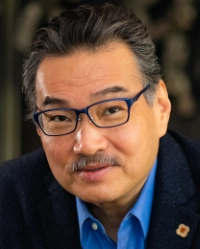
Ylva Hellsten is a Professor of Cardiovascular and Exercise Physiology and Head of the August Krogh Section for Human Physiology at The Department of Nutrition, Exercise and Sports, University of Copenhagen. Her main research interest is in physiology with a focus on cardiovascular function and microvascular growth in skeletal muscle in health and life style related disease and the role of physical activity. Her research approach spans from human integrative cardiovascular regulation to detailed cellular and molecular mechanisms. Most of her work is conducted in humans with advanced invasive methodologies but also in cell culture of human origin. During the past decade she has had a particular focus on the influence of hormonal changes at menopause in relation to cardiovascular health and adaptation to exercise.
Cholsoon Jang, Ph.D. is an Assistant Professor of Biological Chemistry at the University of California Irvine (UCI) School of Medicine. He has been serving as the Director of Metabolomics Core at UCI. He obtained BS and MS degrees from KAIST in South Korea, PhD from Harvard University and completed postdoctoral training at Princeton University. Dr. Jang received the AASLD Pinnacle Research Award (2020), Edward Mallinckrodt Jr. Foundation Award (2020), Geneen Trust Award (2024) and Outstanding Early-Career Faculty Research Award (2024), and Distinguished Early-Career Faculty Award for Research (2025). He was recently elected as a Pew Biomedical Scholar (2024). Dr. Jang is regularly invited to speak nationally and internationally on his research areas, including Cold Spring Harbor Laboratory meetings, FASEB Molecular Metabolism, and Keystone Symposia.
Dr. Jang’s laboratory focuses on understanding how dietary nutrients, including alcohol, fructose, and fiber, are processed by organs and the gut microbiome, and how such processes affect the trajectory between health and diseases. His lab employs multidisciplinary approaches using various animal models (mice, pigs) and samples from human patients. In particular, his lab possesses cutting-edge liquid chromatography mas s spectrometry (LC-MS) instruments for high-throughput untargeted metabolomics, lipidomics, and stable isotope tracing. These comprehensive and unbiased approaches enable the identification of novel metabolite biomarkers and metabolic pathway activities relevant to diseases. Using these tools, Dr. Jang’s lab studies the biochemical mechanisms of diet-induced fatty liver diseases (both alcoholic and metabolic dysfunction-associated), cardiovascular diseases and cancers.
Cholsoon Jang, Ph.D. is an Assistant Professor of Biological Chemistry at the University of California Irvine (UCI) School of Medicine. He has been serving as the Director of Metabolomics Core at UCI. He obtained BS and MS degrees from KAIST in South Korea, PhD from Harvard University and completed postdoctoral training at Princeton University. Dr. Jang received the AASLD Pinnacle Research Award (2020), Edward Mallinckrodt Jr. Foundation Award (2020), Geneen Trust Award (2024) and Outstanding Early-Career Faculty Research Award (2024), and Distinguished Early-Career Faculty Award for Research (2025). He was recently elected as a Pew Biomedical Scholar (2024). Dr. Jang is regularly invited to speak nationally and internationally on his research areas, including Cold Spring Harbor Laboratory meetings, FASEB Molecular Metabolism, and Keystone Symposia.
Dr. Jang’s laboratory focuses on understanding how dietary nutrients, including alcohol, fructose, and fiber, are processed by organs and the gut microbiome, and how such processes affect the trajectory between health and diseases. His lab employs multidisciplinary approaches using various animal models (mice, pigs) and samples from human patients. In particular, his lab possesses cutting-edge liquid chromatography mas s spectrometry (LC-MS) instruments for high-throughput untargeted metabolomics, lipidomics, and stable isotope tracing. These comprehensive and unbiased approaches enable the identification of novel metabolite biomarkers and metabolic pathway activities relevant to diseases. Using these tools, Dr. Jang’s lab studies the biochemical mechanisms of diet-induced fatty liver diseases (both alcoholic and metabolic dysfunction-associated), cardiovascular diseases and cancers.
Hyun Kook, MD, PhD, is a Professor in the Department of Pharmacology at Chonnam National University Medical School, Republic of Korea. After obtaining his MD and PhD from Chonnam National University, he completed postdoctoral fellowships at Kyoto University, Japan, and the University of Pennsylvania, USA. He currently serves as the Principal Investigator of the Medical Research Center for Innovative Control of Cardiovascular Remodeling Diseases (CVRC) and the National Research Laboratory for Epigenetic Regulation of Heart and Muscle Diseases. Previously, he directed the Vascular Remodeling Research Center.
For over 25 years, Dr. Kook has steadfastly dedicated his research career to a single field: the epigenetic regulation of cardiovascular remodeling. His research program elucidates the molecular mechanisms underlying cardiac hypertrophy and heart failure, with a specific focus on the posttranslational modifications of epigenetic regulators including histone deacetylases (HDACs). His recent investigations have further expanded to explore the roles of non-coding RNAs and epigenetic pathways in diastolic dysfunction, cardiac fibrosis, and vascular calcification. He has consistently published his pioneering findings in many prestigious international journals, contributing significantly to the advancement of cardiovascular biology.
Dr. Kook is a member of the National Academy of Medicine of Korea and the National Academy of Sciences and Technologies of Korea. He serves as the Editor-in-Chief of the Korean Journal of Physiology and Pharmacology and is the President of the Korean Society of Pharmacology. Beyond his scientific endeavors, Dr. Kook is a world-renowned choral composer whose music is published by major international publishers including Oxford University Press.
Hyun Kook, MD, PhD, is a Professor in the Department of Pharmacology at Chonnam National University Medical School, Republic of Korea. After obtaining his MD and PhD from Chonnam National University, he completed postdoctoral fellowships at Kyoto University, Japan, and the University of Pennsylvania, USA. He currently serves as the Principal Investigator of the Medical Research Center for Innovative Control of Cardiovascular Remodeling Diseases (CVRC) and the National Research Laboratory for Epigenetic Regulation of Heart and Muscle Diseases. Previously, he directed the Vascular Remodeling Research Center.
For over 25 years, Dr. Kook has steadfastly dedicated his research career to a single field: the epigenetic regulation of cardiovascular remodeling. His research program elucidates the molecular mechanisms underlying cardiac hypertrophy and heart failure, with a specific focus on the posttranslational modifications of epigenetic regulators including histone deacetylases (HDACs). His recent investigations have further expanded to explore the roles of non-coding RNAs and epigenetic pathways in diastolic dysfunction, cardiac fibrosis, and vascular calcification. He has consistently published his pioneering findings in many prestigious international journals, contributing significantly to the advancement of cardiovascular biology.
Dr. Kook is a member of the National Academy of Medicine of Korea and the National Academy of Sciences and Technologies of Korea. He serves as the Editor-in-Chief of the Korean Journal of Physiology and Pharmacology and is the President of the Korean Society of Pharmacology. Beyond his scientific endeavors, Dr. Kook is a world-renowned choral composer whose music is published by major international publishers including Oxford University Press.
Terje Larsen is a professor of physiology at UiT The Arctic University of Norway, where he has held an emeritus affiliation since 2020. His research focuses on myocardial lipid and carbohydrate utilization, with particular emphasis on how obesity and type 2 diabetes disrupt these metabolic pathways. He served for many years as a council member of the International Society for Heart Research and has been a long-standing member of the SHVM board, acting as its President from 2019 to 2022.
Larsen’s scientific career includes two research stays at the University of Calgary, Canada (1985–1986 and 1996–1997), which played a key role for his scientific career. Using animal models, Larsen and his team have demonstrated that obesity and type 2 diabetes cause a loss of metabolic flexibility, leading to cardiomyopathy and impaired myocardial energetics. The latter is characterized by a marked reduction in cardiac efficiency, driven by increased basal metabolism and altered excitation–contraction coupling. The team has also explored several therapeutic strategies to counteract obesity-induced disturbances in myocardial metabolism, including lipid-lowering drugs, exercise training, and dietary interventions. Most recently, they have shown that dietary supplementation with a novel marine oil in obese mice reduces visceral and ectopic fat accumulation, reduces low-grade inflammation and has beneficial effects on cardiac function and metabolism.
Terje Larsen is a professor of physiology at UiT The Arctic University of Norway, where he has held an emeritus affiliation since 2020. His research focuses on myocardial lipid and carbohydrate utilization, with particular emphasis on how obesity and type 2 diabetes disrupt these metabolic pathways. He served for many years as a council member of the International Society for Heart Research and has been a long-standing member of the SHVM board, acting as its President from 2019 to 2022.
Larsen’s scientific career includes two research stays at the University of Calgary, Canada (1985–1986 and 1996–1997), which played a key role for his scientific career. Using animal models, Larsen and his team have demonstrated that obesity and type 2 diabetes cause a loss of metabolic flexibility, leading to cardiomyopathy and impaired myocardial energetics. The latter is characterized by a marked reduction in cardiac efficiency, driven by increased basal metabolism and altered excitation–contraction coupling. The team has also explored several therapeutic strategies to counteract obesity-induced disturbances in myocardial metabolism, including lipid-lowering drugs, exercise training, and dietary interventions. Most recently, they have shown that dietary supplementation with a novel marine oil in obese mice reduces visceral and ectopic fat accumulation, reduces low-grade inflammation and has beneficial effects on cardiac function and metabolism.
Gregory Lim MA (Oxon.), DPhil is the Chief Editor of Nature Reviews Cardiology. Gregory took a first-class undergraduate degree in Physiological Sciences from Exeter College at the University of Oxford, UK. He then moved to Merton College, Oxford, to read for a DPhil in Cardiovascular Medicine, funded by the British Heart Foundation. Dr Lim joined Nature Reviews Cardiology in 2011 and has been the Chief Editor since 2015. Nature Reviews Cardiology is the leading journal in the field of cardiology and cardiovascular systems (2025 Impact Factor: 50.2) and publishes reviews, news and opinion articles across the spectrum of basic and translational cardiovascular research and clinical cardiology.
Melanie Madhani is a Professor of Cardiovascular Medicine at the University of Birmingham and leads a translational research programme focussed on the development of novel therapies for cardiovascular disease. Her work centres on the redox biology of nitrite, nitric oxide and hydropersulfide signalling pathways in vascular and cardiac disease, spanning discovery science to clinical translation.
Melanie graduated from University of Wales College of Medicine (UK) and Dartmouth College (USA). She held British Heart Foundation-funded postdoctoral appointments at University College London and King’s College London and was awarded a UCL Bogue Fellowship to work with Nobel Laureate Dr Louis Iganrro at the University of California, Los Angeles. Since 2009, she has established and led a multidisciplinary research group at the University of Birmingham, integrating vascular biology, cardiac physiology, and redox regulation to advance understanding of cardiovascular health and disease.
In 2022, her contributions were recognised with the Japan Society for the Promotion of Science Fellowship Award. She also holds an Adjunct Honorary appointment at the National Heart Centre Singapore and serves as Head of Global Engagement in Research and Reputation for the College of Medicine and Health at the University of Birmingham.
Melanie Madhani is a Professor of Cardiovascular Medicine at the University of Birmingham and leads a translational research programme focussed on the development of novel therapies for cardiovascular disease. Her work centres on the redox biology of nitrite, nitric oxide and hydropersulfide signalling pathways in vascular and cardiac disease, spanning discovery science to clinical translation.
Melanie graduated from University of Wales College of Medicine (UK) and Dartmouth College (USA). She held British Heart Foundation-funded postdoctoral appointments at University College London and King’s College London and was awarded a UCL Bogue Fellowship to work with Nobel Laureate Dr Louis Iganrro at the University of California, Los Angeles. Since 2009, she has established and led a multidisciplinary research group at the University of Birmingham, integrating vascular biology, cardiac physiology, and redox regulation to advance understanding of cardiovascular health and disease.
In 2022, her contributions were recognised with the Japan Society for the Promotion of Science Fellowship Award. She also holds an Adjunct Honorary appointment at the National Heart Centre Singapore and serves as Head of Global Engagement in Research and Reputation for the College of Medicine and Health at the University of Birmingham.
Dr. Miranda Nabben is an Assistant Professor in the Department of Genetics & Cell Biology at Maastricht University. She obtained her MSc in Drug Innovation from Utrecht University and completed her PhD at Maastricht University, where she studied mitochondrial metabolism in diabetes, obesity and ageing. Following postdoctoral training at the University of Washington, Seattle, Eindhoven University of Technology and Maastricht University, she established her independent research group.
Together with her team, Miranda studies how alterations in cardiac substrate metabolism and mitochondrial function contribute to heart failure and inherited cardiomyopathies. Combining molecular and cellular approaches with advanced metabolic phenotyping, translational disease models and cardiogenetics, they investigate the mechanisms driving metabolic remodeling of the heart and identify novel therapeutic targets. Their research focuses on myocardial energy metabolism, lipid handling, mitochondrial quality control and metabolic flexibility, with the overarching goal of translating mechanistic insights into new strategies to preserve cardiac function and improve cardiovascular health.
Dr. Miranda Nabben is an Assistant Professor in the Department of Genetics & Cell Biology at Maastricht University. She obtained her MSc in Drug Innovation from Utrecht University and completed her PhD at Maastricht University, where she studied mitochondrial metabolism in diabetes, obesity and ageing. Following postdoctoral training at the University of Washington, Seattle, Eindhoven University of Technology and Maastricht University, she established her independent research group.
Together with her team, Miranda studies how alterations in cardiac substrate metabolism and mitochondrial function contribute to heart failure and inherited cardiomyopathies. Combining molecular and cellular approaches with advanced metabolic phenotyping, translational disease models and cardiogenetics, they investigate the mechanisms driving metabolic remodeling of the heart and identify novel therapeutic targets. Their research focuses on myocardial energy metabolism, lipid handling, mitochondrial quality control and metabolic flexibility, with the overarching goal of translating mechanistic insights into new strategies to preserve cardiac function and improve cardiovascular health.
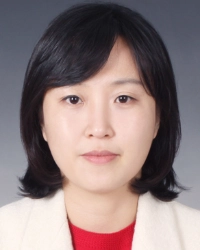
Hun-Jun Park, MD, PhD, is a Professor in the Division of Cardiology, Department of Internal Medicine, at The Catholic University of Korea. His research centers on stem cell bioengineering for cardiac repair and regeneration, with a particular focus on induced pluripotent stem cell–derived cardiomyocytes and their translational applications in heart failure.
She completed her PhD at the Garvan Institute of Medical Research in Sydney, Australia, where she studied the interplay between circadian rhythms and energy metabolism. During her postdoctoral research at the Max Delbrück Center for Molecular Medicine (MDC) in Berlin, she began exploring the metabolic adaptations that enable the naked mole-rat to withstand extreme physiological stress, establishing the foundation for her current research program.
Dr. Reznick now leads an independent research group at the CECAD Cluster of Excellence for Ageing Research and the University of Cologne. Using the naked mole-rat as a model of exceptional stress resistance and regeneration, her laboratory uncovers the cellular and molecular mechanisms that promote tissue repair and resilience. Her work has revealed an extraordinary capacity for cardiac regeneration following myocardial infarction and identified unique metabolic adaptations that protect tissues from ischemic injury. By integrating multi-omics approaches with functional studies, her research seeks to define how metabolism shapes cellular identity, tissue plasticity, and regenerative potential. This work has led to the identification of novel extracellular matrix–based therapeutic currently being advanced toward clinical application with the long-term goal of developing therapies for cardiovascular disease and age-related disorders.
She completed her PhD at the Garvan Institute of Medical Research in Sydney, Australia, where she studied the interplay between circadian rhythms and energy metabolism. During her postdoctoral research at the Max Delbrück Center for Molecular Medicine (MDC) in Berlin, she began exploring the metabolic adaptations that enable the naked mole-rat to withstand extreme physiological stress, establishing the foundation for her current research program.
Dr. Reznick now leads an independent research group at the CECAD Cluster of Excellence for Ageing Research and the University of Cologne. Using the naked mole-rat as a model of exceptional stress resistance and regeneration, her laboratory uncovers the cellular and molecular mechanisms that promote tissue repair and resilience. Her work has revealed an extraordinary capacity for cardiac regeneration following myocardial infarction and identified unique metabolic adaptations that protect tissues from ischemic injury. By integrating multi-omics approaches with functional studies, her research seeks to define how metabolism shapes cellular identity, tissue plasticity, and regenerative potential. This work has led to the identification of novel extracellular matrix–based therapeutic currently being advanced toward clinical application with the long-term goal of developing therapies for cardiovascular disease and age-related disorders.
Dr. Junichi Sadoshima is a cardiovascular scientist whose research focuses on autophagy, heart failure, and intracellular signaling pathways. He is Professor and Chair of the Department of Cell Biology and Molecular Medicine at Rutgers New Jersey Medical School. Dr. Sadoshima has authored more than 422 peer-reviewed articles in leading journals, including Cell, Cell Metabolism, Nature Medicine and Circulation. His work has been cited approximately 58,000 times, with an H-index of 110.
His research program has received continuous funding from the National Institutes of Health for more than three decades, and he recently served as the North American Coordinator of the Leducq Foundation. Dr. Sadoshima has served on NIH study sections for 25 years and is a member of the editorial boards of high-impact journals, including Circulation Research, The Journal of Clinical Investigation, and Nature Reviews Cardiology. He also serves as Cardiovascular Section Editor for Autophagy and Deputy Editor of the Journal of Molecular and Cellular Cardiology.
His honors include the Katz Basic Science Research Prize (1995), the Cardiovascular Research Prize (2001), the Janice Pfeffer Distinguished Lecture Award (2010), the Thomas W. Smith Memorial Lecture Award (2014), the Merit Award(2020), and the Peter Harris Distinguished Scientist Award (2026). He is an elected fellow of the American Society for Clinical Investigation, the Association of American Physicians, and the American Association for the Advancement of Science.
Dr. Junichi Sadoshima is a cardiovascular scientist whose research focuses on autophagy, heart failure, and intracellular signaling pathways. He is Professor and Chair of the Department of Cell Biology and Molecular Medicine at Rutgers New Jersey Medical School. Dr. Sadoshima has authored more than 422 peer-reviewed articles in leading journals, including Cell, Cell Metabolism, Nature Medicine and Circulation. His work has been cited approximately 58,000 times, with an H-index of 110.
His research program has received continuous funding from the National Institutes of Health for more than three decades, and he recently served as the North American Coordinator of the Leducq Foundation. Dr. Sadoshima has served on NIH study sections for 25 years and is a member of the editorial boards of high-impact journals, including Circulation Research, The Journal of Clinical Investigation, and Nature Reviews Cardiology. He also serves as Cardiovascular Section Editor for Autophagy and Deputy Editor of the Journal of Molecular and Cellular Cardiology.
His honors include the Katz Basic Science Research Prize (1995), the Cardiovascular Research Prize (2001), the Janice Pfeffer Distinguished Lecture Award (2010), the Thomas W. Smith Memorial Lecture Award (2014), the Merit Award(2020), and the Peter Harris Distinguished Scientist Award (2026). He is an elected fellow of the American Society for Clinical Investigation, the Association of American Physicians, and the American Association for the Advancement of Science.
I graduated from the School of Medicine at Tohoku University in 1987, earning my Doctor of Medical Science degree from its Graduate School in 1991. From 1991 on, I was a postdoctoral fellow at the University of Geneva in Switzerland. In 1995, I became an assistant professor at the Tohoku University School of Medicine. The following year, I became a lecturer at the University of Tsukuba Institute of Medicine. In 2000, I became a professor at the Institute of Medicine and, the following year, a concurrent professor at the Laboratory Animal Resource Center. Since 2024, I have served as the dean of the Institute of Medicine. I use genome editing technology to create and supply genetically modified mice, and I conduct functional analyses of the Large Maf transcription factor family in vivo using these mice. Since 2012, I have collaborated with the Japan Aerospace Exploration Agency (JAXA) to conduct mouse space experiments aboard the International Space Station (ISS). These experiments identified the Large Maf transcription factor as a regulator of skeletal muscle type IIb fast-twitch fibers. I am expanding my research to elucidate the complete regulatory mechanisms of skeletal muscle and explore potential applications for humans.
The Walsh lab at the University of Virginia studies how aging impacts the tissues of the cardiovascular system. Recently, these studies have focused on the process of “clonal hematopoiesis” and how it functions as a causal risk factor for cardio-metabolic diseases. Studies in humans have shown that aging is associated with the appearance of somatic mutations in the hematopoietic system that confer a competitive growth advantage to the mutant cell and allow for its clonal expansion. Using murine genetic models, the Walsh lab has provided evidence for a causal connection between age-related clonal hematopoiesis and various age-related diseases. These studies have led to the development of a mechanistic framework revealing that cytokine overactivation in immune cells is a major feature of the pathology conferred by clonal hematopoiesis. The lab has also been analyzing the functional consequences of Y chromosome loss, a condition that is prevalent in elderly males. These studies indicate that Y chromosome loss can causally contribute to cardiovascular diseases and the accelerated mortality observed in males compared to females. In addition to experimental studies, the lab has established a program to analyze somatic mutations in patient cohorts, enabling a bidirectional flow of information between investigators who conduct experimental and clinical analyses.
Dr. Shujin Wang earned his Ph.D. in Molecular Genetics from Maastricht University, the Netherlands, in 2020. He was fortunate to be mentored by the distinguished lipid metabolism experts, including Dr. Jan FC Glatz and Dr. Joost J.F.P. Luiken, whose guidance profoundly shaped his research direction. In 2022, Dr. Wang was appointed as an Associate Professor and PI at the Center for Obesity and Metabolic Diseases Research, Department of Physiology, Chongqing Medical University, Chongqing, China. In 2024, he was also served as a Distinguished Professor at The First Affiliated Hospital of Chongqing Medical University.
His research program focuses on vacuolar H+-ATPase function and cardiac energy metabolism, with particular emphasis on the interplay between V-ATPase and lysosomal homeostasis in cardiomyocytes during obesity- and age-related metabolic syndromes. Dr. Wang’s work aims to elucidate organelle cross-talk among (endo)lysosomes, mitochondria, and lipid droplets, as well as inter-organ communication between adipose tissue, gut, liver, and heart, providing new insights into heart failure associated with metabolic disorders.
He has published more than 30 peer-reviewed articles in top journals over the past three years, including Circulation, Circulation Research, Autophagy.
Dr. Shujin Wang earned his Ph.D. in Molecular Genetics from Maastricht University, the Netherlands, in 2020. He was fortunate to be mentored by the distinguished lipid metabolism experts, including Dr. Jan FC Glatz and Dr. Joost J.F.P. Luiken, whose guidance profoundly shaped his research direction. In 2022, Dr. Wang was appointed as an Associate Professor and PI at the Center for Obesity and Metabolic Diseases Research, Department of Physiology, Chongqing Medical University, Chongqing, China. In 2024, he was also served as a Distinguished Professor at The First Affiliated Hospital of Chongqing Medical University.
His research program focuses on vacuolar H+-ATPase function and cardiac energy metabolism, with particular emphasis on the interplay between V-ATPase and lysosomal homeostasis in cardiomyocytes during obesity- and age-related metabolic syndromes. Dr. Wang’s work aims to elucidate organelle cross-talk among (endo)lysosomes, mitochondria, and lipid droplets, as well as inter-organ communication between adipose tissue, gut, liver, and heart, providing new insights into heart failure associated with metabolic disorders.
He has published more than 30 peer-reviewed articles in top journals over the past three years, including Circulation, Circulation Research, Autophagy.
Dr. Wang obtained his training in molecular genetics and cell biology from Baylor College of Medicine and conducted post-doctoral research in neurobiology and cardiovascular diseases at The Scripps Research Institute and UC San Diego. Since 1998 Dr. Wang’s laboratory has focused on genetic network and molecular basis of cardiovascular physiology and diseases. Dr. Wang’s lab has a long track record in discovering novel components and novel interactions in stress-signal transduction pathways in mammalian cells through biochemical proteomic molecular and genomic approaches. Recently Wang lab has also employed systems-based approach in gene and pathway discovery for cardiovascular and metabolic disease. Dr. Wang’s lab has established a broad spectrum of research approaches in cardiac biology from molecular biology cell physiology to intact heart physiology genomics and systems biology. Dr. Wang has been supported by NIH DoD and other extramural grants throughout his research career and published more than 240 scientific articles.


In 1988, as a graduate student at University of Tsukuba, Yanagisawa discovered endothelin, a potent vasoconstrictor peptide from vascular endothelial cells, which sparked an intense research activity in the field. In the subsequent year, his group identified a G protein-coupled receptor for endothelin, which would become an important drug target; the endothelin receptor antagonist bosentan was approved in 2001 for the treatment of pulmonary hypertension. After moving to University of Texas Southwestern Medical Center at Dallas in 1991 as a young principal investigator, he identified the endothelin-converting enzyme, a metalloprotease that generate the active, mature endothelin peptides. Through gene-targeting experiments in mice, he also discovered in 1994 that the endothelin pathway is essential for embryonic development of certain neural crest derived tissues, and that endothelin-B receptor deficiency causes Hirschsprung disease in mice and humans. In 1996, he initiated a systematic search for endogenous ligands of “orphan” G protein-coupled receptors, which resulted in his 1998 discovery of orexin, a hypothalamic neuropeptide. He then discovered in 1999 that orexin deficiency causes the sleep disorder narcolepsy. This opened up a new avenue in sleep research, and led to a better understanding of sleep/wake switching mechanisms in the brain. The notion that orexin is an important endogenous waking agent led to the development of orexin receptor antagonists as sleep-inducing drug, first of which, suvorexant, was approved in 2014. Recognizing, however, that the fundamental mechanism for sleep homeostasis still remains a mystery, in 2010 he embarked upon a highly ambitious project of polysomnography (EEG/EMG)-based forward genetic screen for sleep/wake abnormalities in chemically mutagenized mouse cohort. This large-scale project is now continuing in Tsukuba, Japan, and has recently led to identification of several new genes
and molecular pathways that are importantly involved in the regulation of sleep amounts and the level of sleep need.
In 1988, as a graduate student at University of Tsukuba, Yanagisawa discovered endothelin, a potent vasoconstrictor peptide from vascular endothelial cells, which sparked an intense research activity in the field. In the subsequent year, his group identified a G protein-coupled receptor for endothelin, which would become an important drug target; the endothelin receptor antagonist bosentan was approved in 2001 for the treatment of pulmonary hypertension. After moving to University of Texas Southwestern Medical Center at Dallas in 1991 as a young principal investigator, he identified the endothelin-converting enzyme, a metalloprotease that generate the active, mature endothelin peptides. Through gene-targeting experiments in mice, he also discovered in 1994 that the endothelin pathway is essential for embryonic development of certain neural crest derived tissues, and that endothelin-B receptor deficiency causes Hirschsprung disease in mice and humans. In 1996, he initiated a systematic search for endogenous ligands of “orphan” G protein-coupled receptors, which resulted in his 1998 discovery of orexin, a hypothalamic neuropeptide. He then discovered in 1999 that orexin deficiency causes the sleep disorder narcolepsy. This opened up a new avenue in sleep research, and led to a better understanding of sleep/wake switching mechanisms in the brain. The notion that orexin is an important endogenous waking agent led to the development of orexin receptor antagonists as sleep-inducing drug, first of which, suvorexant, was approved in 2014. Recognizing, however, that the fundamental mechanism for sleep homeostasis still remains a mystery, in 2010 he embarked upon a highly ambitious project of polysomnography (EEG/EMG)-based forward genetic screen for sleep/wake abnormalities in chemically mutagenized mouse cohort. This large-scale project is now continuing in Tsukuba, Japan, and has recently led to identification of several new genes
and molecular pathways that are importantly involved in the regulation of sleep amounts and the level of sleep need.
Joo Mi Yi, Ph.D. is an Associate Professor at Inje University College of Medicine, South Korea. She received her B.S. and M.S. in Biology from Pusan National University, followed by Ph.D. training at the Primate Research Institute, Kyoto University, Japan, and the Department of Biology at Pusan National University. She completed her postdoctoral training in the Department of Oncology and Tumor Biology at the Johns Hopkins University School of Medicine under the mentorship of Prof. Stephen B. Baylin, a pioneer in cancer epigenetics. Dr. Yi is internationally recognized for her expertise in cancer epigenetics, particularly in DNA methylation, epigenetic gene regulation, and the discovery of DNA methylation biomarkers for cancer diagnosis, prognosis, and therapeutic targeting. Building on this foundation, her current research is expanding into cardiovascular and cardiometabolic diseases, where she applies epigenomic approaches to uncover novel molecular mechanisms and develop clinically relevant epigenetic biomarkers for early diagnosis, risk prediction, and precision medicine. By translating decades of advances in cancer epigenetics to cardiovascular research, she aims to bridge these fields and advance the emerging application of epigenomics in cardiovascular disease.